INTRODUCTION
Tracheostomy is a common intervention in critical care, with approximately 14,000 procedures performed annually in the United Kingdom.1 Despite its prevalence, there remains a lack of consensus on a standardised approach to tracheostomy weaning and decannulation, contributing to variability in clinical practice.2–5 A wide range of tracheostomy tubes are commercially available, each with distinct design features aimed at optimising function. Despite the current standards for defining general requirements for tracheostomy tubes (ISO 5366)6 no standard parameters currently define optimal ID/OD ratios, leading to significant variability between products. The ID/OD ratio, which reflects the proportion of the tube’s inner and outer dimensions that permits airflow through and around the tube, has direct implications for airway resistance. A higher ID/OD ratio reduces airway resistance, lowers the work of breathing, and decreases tracheal wall pressure, thereby optimising ventilation, secretion clearance, and patient comfort. This is achieved through thinner, structurally robust tube walls, allowing a larger inner diameter without increasing the outer diameter. These implications can include ventilation via the tracheostomy tube and airflow to the upper airway respectively. According to the Hagen-Poiseuille law, even minor reductions in inner lumen diameter can substantially increase airway resistance, adversely affecting the work of breathing and the success of weaning from mechanical ventilation.7 Optimising these physical characteristics is therefore essential for effective tracheostomy management. Despite these physiological considerations, evidence regarding the influence of tracheostomy tube design characteristics on tube performance and weaning outcomes remains limited.8–10
In practice, tracheostomy tube selection is often guided by clinician familiarity, perceived performance, and manufacturer marketing rather than robust comparative data. Advertising can influence brand recognition and loyalty, yet there is a notable lack of evidence correlating specific product features with improved patient outcomes. The resulting variation in tube selection may contribute to suboptimal care, particularly in patients experiencing prolonged weaning, delayed decannulation, or repeated tube changes.
Within our institution, concerns were raised regarding delayed decannulation, unnecessary tracheostomy changes, and extended step-down challenges that were hypothesised to stem from suboptimal tube design. In response, the Critical Care Senior Leadership Team initiated a Quality Improvement project with the aim of standardising tracheostomy tube selection. Following a multidisciplinary review, the Tracoe Twist and Tracoe Twist Plus tubes were selected based on favourable ID/OD ratios and other clinically relevant design features.
The intervention was based on the hypothesis that standardising initial tracheostomy tube selection to tubes with a more favourable inner-to-outer diameter ratio would improve airflow through the tube during ventilation and around the tube during cuff deflation. Improved airflow was expected to reduce airway resistance and work of breathing, thereby supporting earlier weaning, fewer tube changes or downsizing events, earlier decannulation, and ultimately reduced critical care and hospital length of stay.
This QI initiative sought to evaluate the impact of standardisation on key patient outcomes, including total hospital LOS, critical care LOS, time to tracheostomy decannulation, and the frequency of tracheostomy tube changes. The specific goals were to reduce the number of tracheostomy tube changes by up to 40% and decrease average time to decannulation by 20% from April 2021 to April 2022. The overarching objective was to improve the quality, safety, and consistency of care delivered to patients requiring tracheostomy.
Methods
Setting
The reporting of this study followed the SQUIRE 2.0 guidelines for quality improvement research.11 This QI project was conducted within Mid and South Essex NHS Foundation Trust, a large healthcare organisation in Essex, England. The Trust comprises of three major hospitals, including Basildon University Hospital, and the tertiary, Essex Cardiothoracic Centre (CTC). The intervention was implemented at Basildon University Hospital within its 19-bed Critical Care Unit, a multi-specialty unit providing care to a wide range of critically ill patients. Tracheostomy patients are typically stepped down to various specialty wards based on clinical need. The number of tracheostomies performed in the unit varies annually, typically ranging from 40 to 70 cases. The primary indication for tracheostomy within this setting is prolonged mechanical ventilation.
Quality improvement intervention
Following the establishment of a new senior leadership team within the Critical Care Unit, concerns were raised regarding the management of tracheostomy patients. Specific issues included difficulties with decannulation, delays in step-down from critical care, and a high frequency of tracheostomy tube changes. After reviewing a range of tracheostomy brands and models; both current and alternative, it was hypothesised that these challenges were partly attributable to suboptimal tube design and selection.
The team identified the need to standardise tracheostomy tube usage, prioritising a balance between optimal ventilation with cuff inflation and adequate airflow during cuff deflation to support weaning. The Tracoe Twist and Tracoe Twist Plus tubes were selected due to their favourable design characteristics, including a high ID/OD ratio, which aligns with the physiological demands of weaning and decannulation. Table 1 highlights the differences in airflow-related parameters among various tube types, underscoring the importance of tube design in clinical outcomes.
National and international expert bodies endorse key principles for tracheostomy tube selection in critical care. Consistent with these recommendations, a non-fenestrated, double-lumen, cuffed tracheostomy tube with a subglottic suction port was selected for initial insertion, both in the baseline and QI phases. The primary change involved the brand and model of tubes used.
The primary intervention was standardisation of initial tracheostomy tube selection to Tracoe Twist or Tracoe Twist Plus tubes, selected because of their favourable inner-to-outer diameter ratio and suitability for cuffed, non-fenestrated, double-lumen use with subglottic suction. Supporting implementation components included MDT education, hands-on training with the new insertion kits, centralised stock management, updating of emergency tracheostomy equipment, and removal of legacy tubes from routine circulation. These supporting components were designed to promote reliable adoption of the tube standardisation intervention rather than acting as independent clinical interventions.
A formal QI project was launched to assess the impact of this standardisation on patient outcomes. The standardised pathway was applied to appropriate adult patients requiring a new percutaneous tracheostomy within the CCU. To support implementation, targeted tracheostomy study sessions were delivered to all relevant members of the multidisciplinary team (MDT). These sessions outlined the aims of the QI project and provided hands-on training with the new insertion kits, supported by manufacturer representatives and simulation exercises.
Clinical support was made available throughout the transition. To ensure consistency, all tracheostomy stock was centralised within the CCU, with a minimal supply held by the Critical Care Outreach Team (CCOT). Once the MDT and airway teams were fully trained and deemed competent, the new tracheostomies were implemented. Legacy tubes were removed from circulation, although limited emergency supplies were retained for patients with existing devices in situ. Emergency tracheostomy kits (blue boxes) were updated accordingly for the new tube models.
Patients
All patients were initially enrolled in the data collection process at the point of tracheostomy insertion. Final inclusion in the QI project cohort was determined based on predefined inclusion and exclusion criteria. Inclusion criteria comprised adult patients admitted to critical care who underwent percutaneous tracheostomy. Patients were excluded if they died prior to hospital discharge, as this precluded completion of the full care pathway and collection of outcome measures. Patients who were repatriated either to or from another hospital were also excluded due to incomplete follow-up. Additionally, individuals who were anticipated to require long-term tracheostomy were excluded to avoid potential bias in the dataset related to prolonged or atypical recovery trajectories.
Data collection
Data were collected for all patients undergoing percutaneous tracheostomy during the QI project period. Variables included patient name, sex, age, NHS number, dates of hospital and critical care admission, date of tracheostomy insertion, tube brand/model/size, dates and reasons for any tube changes, date of decannulation, and dates of critical care and hospital discharge. For this QI project, adverse events were defined as any untoward medical occurrence, unintended disease or injury or any untoward clinical signs (including abnormal laboratory findings) in a patient, users, or other persons. Balancing measures were selected to monitor for unintended harm and included documented airway complications, requirement for unplanned tube change, need for reintubation after decannulation, ICU readmission following step-down, and tracheostomy-related adverse events.
Data sources included Intensive Care National Audit and Research Centre (ICNARC) records, the Acute Care Portal (ACP), the Chelsea Critical Care Physical Assessment Tool (CPAx), electronic patient notes, and discharge summaries. All data were securely compiled in Microsoft Excel and stored on a secure institutional network. Baseline data were collected between April and October 2021, during the planning and training phase of the QI project. QI data were collected between October 2021 and April 2022, following full implementation of the intervention.
Clinical outcome measures and analysis points
From the full dataset described above, a predefined set of clinical outcome measures was selected to assess the impact of the intervention. These included critical care LOS, total hospital LOS, time to decannulation, number of tracheostomy tube changes, and number of tubes downsizes undertaken to facilitate weaning. These outcomes directly reflected the project aims and enabled comparison between baseline and post-intervention cohorts.
Analysis and statistics
Analysis was conducted using GraphPad Prism version 11.0.0 for Windows, GraphPad Software, Boston, Massachusetts USA, www.graphpad.com. Continuous outcomes were assessed for normality using the Shapiro-Wilk test. Because the distributions were nonnormal and the sample size was small, between-group comparisons were performed using the Mann-Whitney U test. Statistical significance was defined as a 2-sided P < .05. Cohen d and effect-size r were also calculated.
Ethical considerations
This project was classified as a service evaluation under NHS Health Research Authority guidelines (HRA, 2019) and aimed to improve patient care, safety, and service delivery. As the outcomes measured were part of routine clinical care and no randomisation or deviation from standard practice occurred, ethical approval was not required. Consent was therefore waived. All data for this project was collected using secure, standardised forms and stored in a confidential electronic database with strictly restricted access. Information was anonymised using unique ID codes to safeguard participant privacy, and data quality was maintained through routine audits, double-checking of entries, and robust validation procedures. All handling and storage processes complied with relevant data protection regulations, including GDPR, ensuring confidentiality and integrity throughout. The project was formally registered with the NHS Trust Quality Improvement Team and followed all required QI pathways and governance checks.
Results
Data sets
During the project period, 52 patients underwent percutaneous tracheostomy within the CCU. All patients receiving tracheostomy between April 2021 and April 2022 were initially included. Following data collection, exclusions were applied to cases involving repatriation (n=4), in-hospital death (n=15), or the need for a long-term tracheostomy (n=4), where incomplete data precluded meaningful comparison. Of the long-term tracheostomy cohort, two patients required ongoing ventilation due to Guillain-Barré Syndrome; one had a large pharyngeal pouch causing recurrent aspiration; and one experienced ENT complications. A summary of patient inclusion and exclusion is presented in Table 2.
Tracheostomy tube choice
Tracheostomy tube selection within the Critical Care Unit was a key element influencing the QI intervention. At Basildon University Hospital, there is no fixed protocol or standard operating procedure regarding the timing of tracheostomy insertion; instead, the decision is made on a case-by-case basis by the clinical team. This process remained unchanged throughout the QI project, although the average time to tracheostomy insertion increased slightly during the QI period—from 13 days to 15 days post-admission.
Baseline data showed use of Smiths Medical Portex Blue Line Ultra, Medtronic Shiley, and Portex Uniperc adjustable flange models. Adherence to the standardised tube pathway was 100% in the analysed QI cohort, with all eligible patients receiving either a TRACOE Twist or TRACOE Twist Plus tube at initial tracheostomy insertion., as summarised in Table 3.
Outcome measures
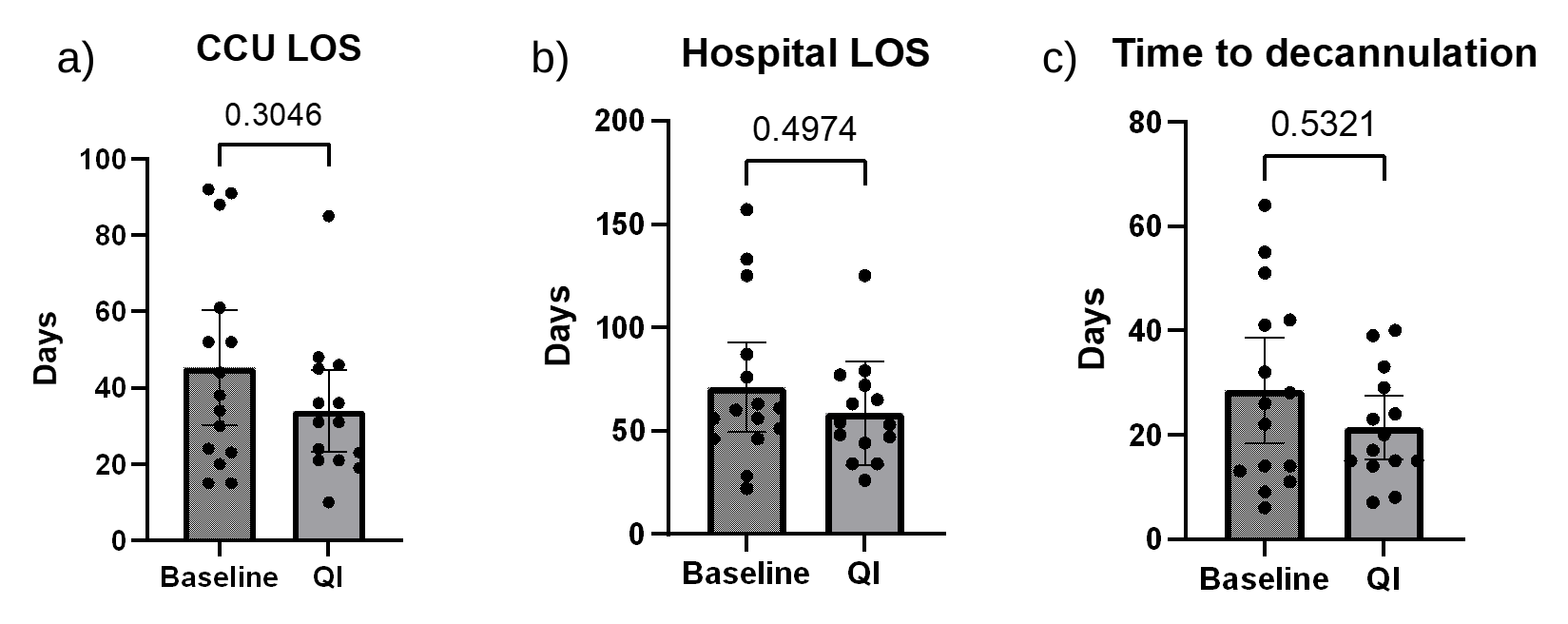
Comparison of outcome data between baseline and QI periods revealed Favourable numerical differences were observed across all measured outcomes. The average LOS in critical care reduced from 45.3 days (95% CI: 30.3–60.3) to 34 days (95% CI: 23.3-44.7), representing a 24.9% reduction (11 days, Cohen’s d = 0.5; r = 0.2). Similarly, total hospital LOS decreased from an average of 71.1 days (95% CI: 49.7–92.6) to 58.6 days (95% CI: 44.2–73.1), equating to a 17.6% reduction (12 days, Cohen’s d = 0.4; r = 0.2). Time to decannulation improved, with the average duration reduced from 28.5 days (95% CI: 18.4–38.7) to 21.36 days (95% CI: 15.3–27.4), a 25.1% reduction (8 days, Cohen’s d = 0.5; r = 0.2).
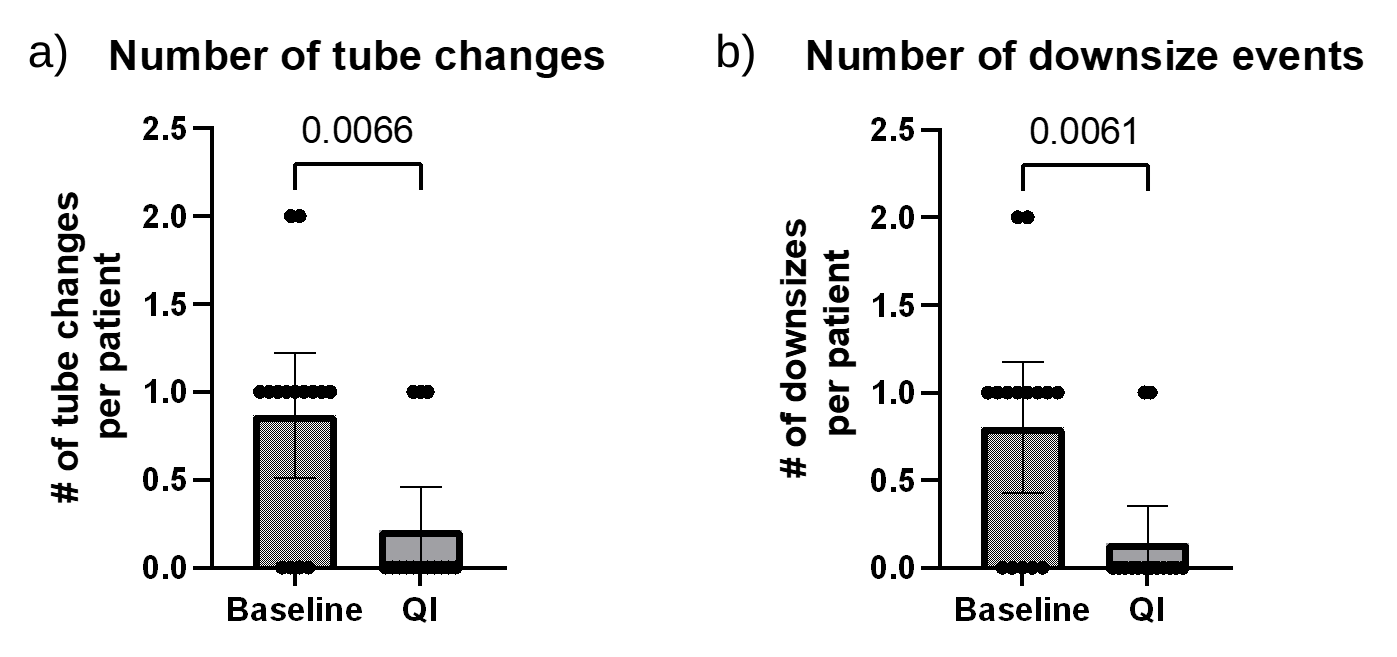
There was also a notable decline in the number of tracheostomy tube changes, which were reduced from a mean of 0.9 (95% CI: 0.5–1.2) to 0.21 (95% CI: -0.03–0.5) per patient, corresponding to Cohen’s d = 1.2; r = 0.5. Additionally, the number of downsizing events required to facilitate weaning decreased from 0.8 (95% CI: 0.4–1.2) to 0.1 (95% CI: -0.1–0.4),per patient, with an effect size of d = 1.2 and r = 0.5, corresponding to reductions of 75.9% and 82.5%, respectively . In absolute numbers, tracheostomy tube changes decreased from 13 to 3 events, and downsizing events decreased from 12 to 2 events after implementation. Among the tube changes that did occur in the QI group, two were due to prolonged time (>30 days), as specified by the manufacturer, and one was required after self-decannulation.
Importantly, no tracheostomy-related adverse events were reported during the data collection period, indicating that the change in tracheostomy tube selection not only supported improved clinical outcomes but also contributed to a safer care environment for this high-risk patient cohort. There were no recorded airway complications requiring emergency tube exchange, no reintubations following decannulation, and no ICU readmissions attributable to tracheostomy-related airway problems. These findings are summarised visually in Figures 1 and 2.


Cost implications
The improvements achieved through the QI intervention have meaningful cost implications. According to the Department of Health and Social Care the average daily cost of a critical care bed is £1,881.12 Based on a mean reduction of 11 critical care days per tracheostomy patient and 52 tracheostomies performed during the QI period, an estimated 572 critical care bed days were released. With a reduction in 572 bed days across the year, this equates to a potential annual saving of £1,075,932. Further cost savings were realised through a reduction in general ward bed usage. Based on an estimated cost of £345 per ward bed day and a mean reduction of 12 hospital days per patient this equated to an additional saving of £215,880. In addition, the 76.9% reduction in tracheostomy tube changes translated to a direct cost saving of approximately £3,158.40, reflecting decreased resource use and associated clinical time.
Discussion
National efforts to enhance tracheostomy care through evidence-based initiatives have significantly improved patient safety and quality of care. Despite these advances, there remains a lack of high-quality evidence to guide clinicians in selecting the most effective tracheostomy tube design, brand, or features. In the absence of definitive guidance, clinical decisions are often based on anatomical and physiological knowledge, personal experience, peer teaching, and familiarity with certain products. This approach, while practical, may introduce unconscious bias into product selection and procurement.
Clinical Improvements
This QI project aimed to evaluate the clinical impact of standardising tracheostomy tube selection in a critical care setting. Although limited by a modest sample size, the findings demonstrated consistent improvements across all measured outcomes. The implementation of TRACOE Twist and TRACOE Twist Plus tubes resulted in substantial reductions in both critical care and hospital length of stay. These improvements are clinically significant, as prolonged hospitalisation is associated with increased morbidity, mortality and long-term adverse outcomes.13–15 The reduced hospitalisation equated to approximately 572 fewer critical care bed days and 624 fewer ward bed days annually freeing essential healthcare resources and alleviating system pressures and reducing CCU resource consumption.16
A key contributor to these improvements was the reduced time to decannulation, which decreased by an average of eight days (a 25.1% improvement). This reduction likely facilitated earlier weaning from mechanical ventilation and discharge.3,4 Additionally, fewer tracheostomy tube changes and downsizing events suggest that patients were more often successfully weaned and decannulated with the initial tube. This shift not only reduced procedural interventions and associated risks but may also have supported faster ventilator liberation, which is known to reduce complications such as ventilator-associated pneumonia. Although further analysis is needed to confirm this association, the observed improvements support this hypothesis.
Technological advancements in tube design, particularly improved ID/OD ratios, have enabled more efficient airflow and reduced resistance during spontaneous breathing trials, as a favourable ID/OD ratio allows for optimal inner diameter of the tube to aid in ventilation, whilst also providing thin tube walls, due to the reduced outer diameter. Thin tube walls may allow for optimized airflow around the tube when cuff deflation occurs. This can have positive effects on increasing airflow to the upper airway during tube weaning, phonating and secretion clearance.10,17
Length variation was also considered, particularly for patients with smaller physiques. The Tracoe Twist tubes were preferentially used in smaller or female patients, allowing for a more tailored approach to care. This reflects the importance of personalising tracheostomy tube selection to match patient anatomy and optimise comfort and safety.
Cost and Resource implications
The results also have significant financial and resource implications. The reduction in both critical care and total hospital LOS led to an estimated annual saving of £1,075,932, based on the average cost of a critical care bed.12,18 This is a direct consequence of the improved efficiency in patient management following the introduction of the standardized tracheostomy tubes. The reduction in hospital stays is not only beneficial from a cost perspective but also improves bed availability, thus enhancing the overall capacity of the hospital.
Additionally, the reduction in the number of tracheostomy tube changes has led to a cost saving of approximately £3,158.40. While these savings are substantial, the broader impact on sustainability is also worth noting. The decreased usage of single-use plastics and reduced resource-intensive interventions contribute to the hospital’s environmental goals, an increasingly important consideration in healthcare management.
Safety Considerations
A national UK-wide consensus exercise involving frontline clinicians and healthcare leaders identified key priorities for improving tracheostomy care, with an emphasis on equipment standardisation, staff education, and multidisciplinary training.19 Aligned with these national priorities, a key component of this QI project was the complete standardisation of tracheostomy tubes across the trust, including the elimination of adjustable flange tubes.
Adjustable flange tracheostomy tubes are known to present management challenges and have been associated with a higher risk of complications, including life-threatening airway events. The National Tracheostomy Safety Project (NTSP) has highlighted these risks, recommending caution in their use due to difficulties in securing and maintaining optimal positioning.20 During the QI period, the full withdrawal of these tubes from clinical use likely contributed to improved patient safety. In addition to equipment standardisation, a reduction in the number of tracheostomy tube changes and downsizing events was observed. These changes promoted a more stable and controlled clinical environment for patients with tracheostomy.
Limitations and Considerations
While the results of this project are promising, there are several factors that must be considered when interpreting the findings. First, the retrospective nature of the baseline data collection means that it was subject to the biases and limitations inherent in this type of design. Additionally, the absence of a control group makes it difficult to definitively attribute improvements solely to the intervention rather than other factors, such as changes in clinical practice or external care protocols. Furthermore, the timing of tracheostomy insertion varied slightly between the baseline and QI periods, which could have influenced outcomes such as LOS and time to decannulation.
The intervention was deliberately implemented as a pragmatic service-level standardisation rather than as an isolated device comparison. Although the primary intervention was standardisation to tracheostomy tubes with more favourable ID/OD ratios, implementation also required staff education, stock centralisation, updating of emergency equipment and removal of legacy tubes from routine circulation. These components may have independently contributed to improved consistency of care, reduced variation in practice and fewer tube changes. Therefore, the observed improvements cannot be attributed solely to tube design. Rather, the findings should be interpreted as the effect of a bundled tracheostomy tube standardisation programme, with tube design as the principal component. Future prospective studies would be required to isolate the independent contribution of tube design from implementation and education effects.
Another limitation is the exclusion of patients who were repatriated, deceased, or required long-term tracheostomies, which may have impacted the generalisability of the findings. The relatively small sample size also limits the statistical sensitivity of the study. Based on the final group sizes, the study was primarily powered to detect large effects, whereas smaller effects may not have been reliably identified. Therefore, non-significant findings should not be interpreted as definitive evidence for the absence of an effect. Nevertheless, the observed trends are consistent with the aims of this quality improvement project and provide useful exploratory evidence for future studies.
While the differences in mean values between groups were substantial, the wide standard deviations and variability within groups limited the ability to reach statistical significance in some measures. This highlights the influence of sample variability on statistical outcomes.
It is also essential to distinguish between statistical significance and clinical relevance. A result may be statistically significant without being clinically meaningful, and conversely, clinically important findings may not reach statistical significance in smaller or exploratory studies such as this. The findings of this project, while limited by sample size, suggest potentially meaningful improvements that warrant further investigation in larger-scale studies.
The applicability of these findings to other settings should be considered in relation to local tracheostomy practice and available resources. This project evaluated a standardised tube pathway in adult Critical Care patients undergoing percutaneous tracheostomy, and the findings are broadly applicable across ICU tracheostomy practice. Surgical tracheostomy patients can also benefit from the pathway; however, they may present additional anatomical, operative or specialist airway considerations, and tube selection may need to incorporate ENT or surgical input alongside the general ICU standardisation approach. Similarly, implementation in other ICUs will depend on local case mix, tracheostomy timing, weaning and decannulation protocols, staff familiarity with specific tube types, availability of multidisciplinary tracheostomy expertise and procurement processes. In resource-limited environments, access to a restricted range of tracheostomy tubes, subglottic suction ports, double-lumen tubes, training resources or centralised stock systems may limit direct replication of the intervention. However, the broader principle of reducing unwarranted variation in tracheostomy tube selection, using tubes with appropriate dimensions for the patient and clinical context, and aligning stock management with staff training may remain relevant across a range of critical care settings.
Although the evaluation generated findings that may be of interest beyond the local institution, the project should be interpreted as a single-centre QI/service evaluation rather than definitive clinical research. The findings should therefore be considered exploratory and hypothesis-generating, supporting the need for larger multicentre prospective studies or randomised evaluations to determine the independent effect of tracheostomy tube design on weaning and clinical outcomes.
Future Directions
This QI project is the first to evaluate the impact of tracheostomy tube standardisation and conversion within this clinical setting. While the findings are encouraging, further research is warranted to build on these initial results. A prospective, randomised controlled trial (RCT) would offer a more robust methodology to assess the influence of specific tracheostomy tube designs on clinical outcomes, enabling greater confidence in the conclusions drawn. Future studies should also explore long-term patient outcomes associated with tracheostomy tube selection, including quality of life, respiratory function, and rates of hospital readmission. In addition, patient-centred outcomes such as comfort, tolerance, and overall experience should be examined. Key aspects like the ability to achieve earlier cuff deflation, improvements in phonation, and the impact on swallowing function could provide valuable insight into the broader benefits of tube design and standardisation. Given the positive outcomes observed in this QI project, wider implementation across other hospitals within the trust and potentially across different patient cohorts could help determine the generalisability and reproducibility of these results in diverse clinical environments.
Conclusion
In this single-centre QI project, implementation of a tracheostomy tube standardisation programme prioritising favourable ID/OD ratios was associated with fewer tube changes and downsizing events and favourable numerical differences in critical care LOS, hospital LOS, and time to decannulation. The intervention was implemented alongside multidisciplinary education, stock standardisation, and removal of legacy devices; therefore, the observed findings cannot be attributed independently to tube design. These exploratory findings support further prospective, multicentre evaluation of tracheostomy tube characteristics and standardised care pathways.
Acknowledgements
The authors acknowledge the Mid and South Essex NHS Foundation Trust and the Basildon University Hospital Critical Care Team for their support of this quality improvement project. The authors also thank Danielle Bragg and Katie Jellett for their substantial contributions to the project.
Ethical & Reporting Statement
This project was classified as a service evaluation under NHS Health Research Authority guidance and was conducted to improve patient care, safety, and service delivery. Formal research ethics approval was not required because the outcomes evaluated were collected as part of routine clinical care and the project involved no randomisation or deviation from standard clinical practice. Individual informed consent was not required for this service evaluation. Data were anonymised and handled in accordance with applicable data protection requirements, including the General Data Protection Regulation (GDPR). The project was formally registered with the NHS Trust Quality Improvement Team and conducted in accordance with institutional quality improvement governance requirements. The manuscript was prepared in accordance with the Standards for Quality Improvement Reporting Excellence (SQUIRE 2.0) guidelines.
Conflicts of Interest
The authors declare no conflicts of interest. Manufacturer representatives provided training related to the new tracheostomy insertion kits during implementation of the quality improvement programme. The authors should confirm whether the manufacturer had any role in project design, data collection, analysis, interpretation, manuscript preparation, or the decision to submit the manuscript for publication.
Funding
The authors report that no external funding was received for this project.
Authorship and Contributions
Katie Partridge is the sole author of this manuscript and meets established criteria for authorship. Using the CRediT (Contributor Roles Taxonomy) framework, the author was responsible for conceptualization, methodology, investigation, data curation, formal analysis, project administration, visualization, writing-original draft, and writing-review and editing.
Corresponding Author Information:
Katie Partridge, BSc (Hons) Physiotherapy
Therapies, Critical Care and Respiratory
Basildon and Thurrock University Hospitals NHS Foundation Trust
Email: katie.partridge1@nhs.net
ORCID: 0009-0008-0027-7743