INTRODUCTION
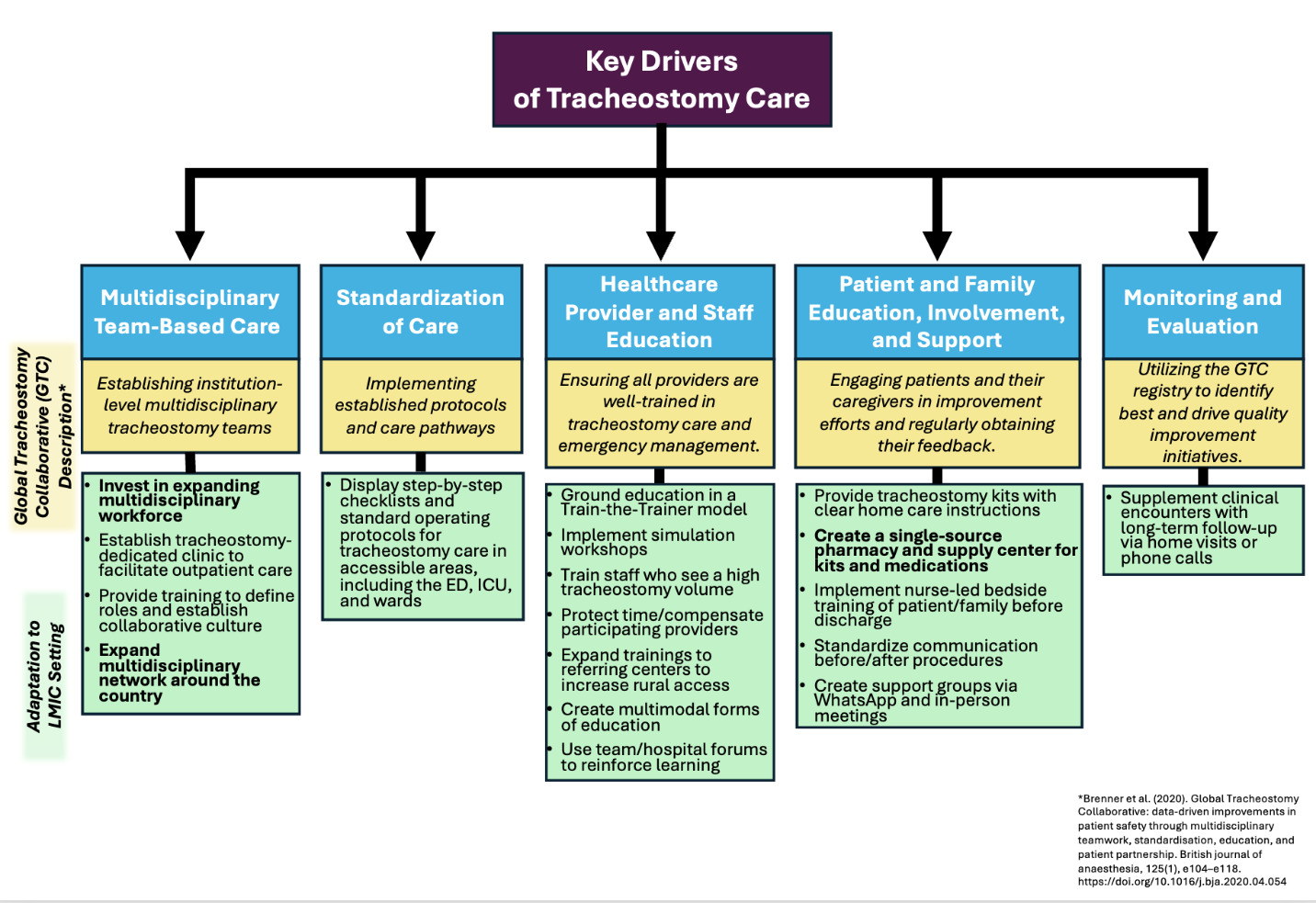
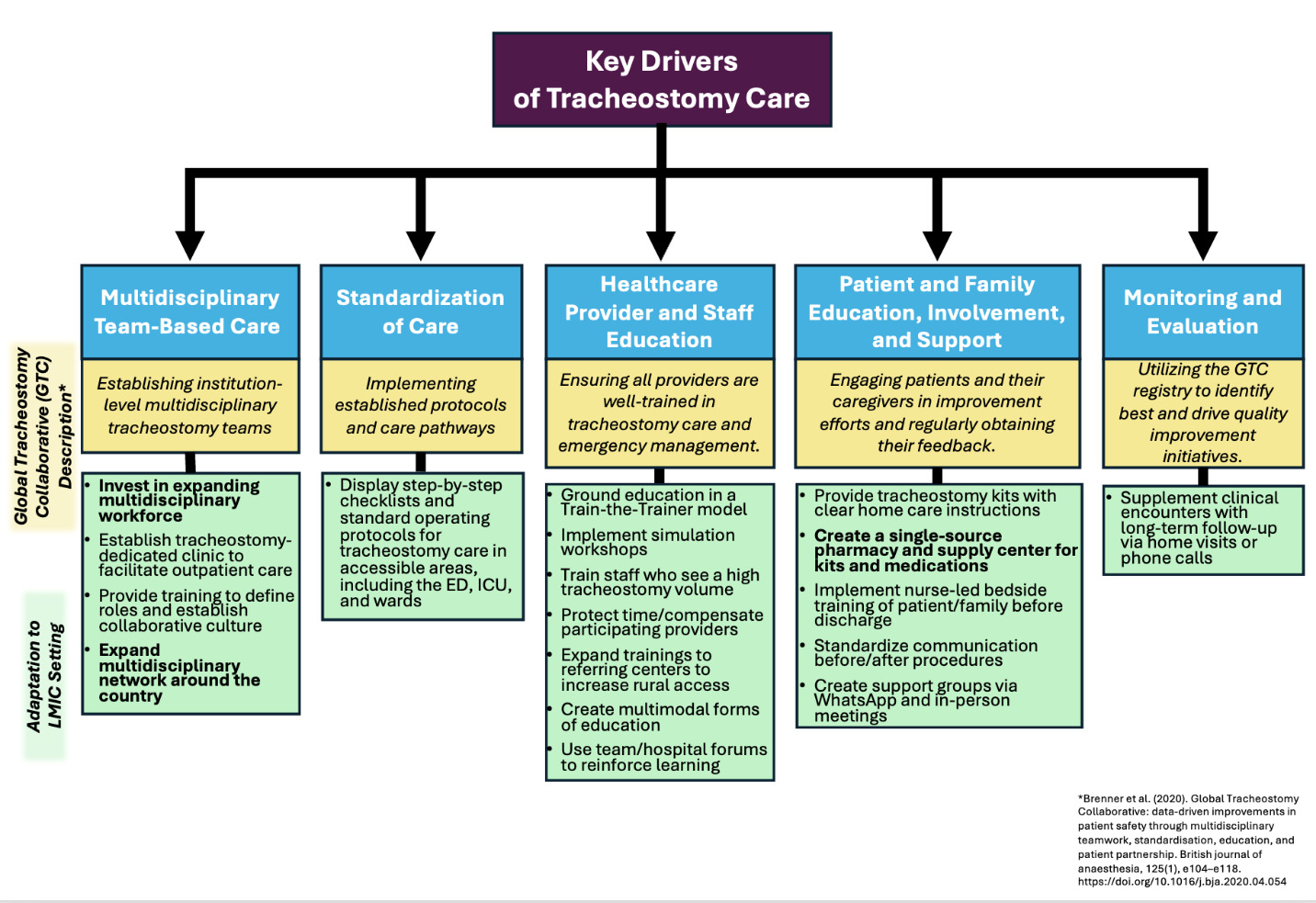
Tracheotomy is a crucial procedure for airway management in patients with obstructed airways, prolonged intubation, or respiratory insufficiency. Despite its essential role, tracheotomy can lead to complications, including airway obstruction, infection, and increased morbidity and mortality.1,2 To mitigate these risks, the Global Tracheostomy Collaborative (GTC), an international multidisciplinary organization focused on improving the quality of tracheostomy care, has developed a set of evidence-based interventions.3–5 This package of interventions includes the following: (1) multidisciplinary collaboration, (2) protocol standardization, (3) health care team education, (4) patient and family involvement, and (5) continuous outcomes evaluation.6 Although these interventions have been successfully implemented in high-income countries with notable improvements in clinical outcomes, less is known about their adaptability and effectiveness in resource-constrained settings in low- and middle-income countries (LMICs).6,7
Resource-constrained health systems in LMICs possess unique circumstances that need to be addressed to deliver quality tracheostomy care. A scoping review of tracheostomy care in LMICs highlighted that barriers included language, literacy, and resource availability, such as lack of running water and electricity in patient homes.8 Furthermore, challenges with accessing health care amid constrained infrastructure and workforces are compounded by poverty with the financial burden of traveling to the hospital and out-of-pocket medical costs.8–10 These barriers contribute to higher rates of complications and readmissions.5 Although some studies have implemented components of the GTC interventions, such as provider education, patient education, and standard operating procedures in LMICs, no studies have comprehensively addressed the multiple aspects of the GTC interventions together in resource-constrained settings.5
We aimed to understand how the GTC drivers can be adapted to address context-specific barriers to tracheostomy care at Muhimbili National Hospital (MNH), the largest tertiary referral center in the East African country of Tanzania, using a Consolidated Framework for Implementation Research (CFIR)-guided, pre-implementation qualitative design. We hope to leverage this exploratory, qualitative pre-implementation study to inform implementation of GTC drivers at MNH and other similar resource-constrained health settings.
METHODS
Study Design
This study used an exploratory qualitative design to understand key stakeholder experiences with tracheostomy care and to identify barriers, facilitators, and priority areas for adaptation of the GTC drivers. The research team included clinicians and researchers from both Tanzania and the United States with experience in tracheostomy care, qualitative research methods, and health systems research in LMICs. Investigators reflected on their clinical and research backgrounds throughout the study process to acknowledge how their perspectives and prior experiences with tracheostomy care and global health systems might shape data interpretation.
Study Setting
The study was conducted at MNH, the largest tertiary referral hospital in Tanzania. Tanzania is a lower-middle-income country in East Africa with an estimated population of 69 million, approximately 51% of whom live on less than US $3.00 per day.11 The Tanzanian health care system follows a tiered referral structure, with specialized cancer care concentrated in 5 tertiary referral centers.12 MNH has approximately 1500 beds and serves more than 1000 inpatients and outpatients weekly.13 The hospital provides specialized care to adult patients requiring tracheostomy management for a range of conditions.
Study Sample
The study included 3 participant groups: (1) patients who had undergone tracheostomy, (2) caregivers of patients with a tracheostomy, and (3) health care providers involved in tracheostomy care, including nurses, physicians, and allied health professionals. Participants were purposively sampled to capture diverse perspectives. Inclusion criteria were age 18 years or older and at least 3 months of experience with tracheostomy care at MNH. Participants were recruited through clinical teams at MNH, who informed eligible individuals of the study. Interested individuals were then approached by the study team and provided with additional information about the study before consenting to participate. Individuals who declined participation were not enrolled, and no further contact was made.
Data Collection
Data were collected from January through June 2024 through in-depth interviews (IDIs) and focus group discussions (FGDs) using semi-structured interview guides developed from the updated CFIR (2.0; interview guide provided in the Supplement).14 The framework was selected to examine multilevel factors influencing implementation, and interview questions were adapted to reflect the local context. All interview guides were initially developed in English and translated into Swahili by members of the clinical research team fluent in both English and Swahili. The translated guides were piloted by the study team to ensure linguistic accuracy, cultural appropriateness, and clarity before data collection.
IDIs and FGDs were conducted in private settings by 1 research team member (M.S.) to ensure confidentiality and minimize interruptions. The interviewer (M.S.), a Tanzanian physician-researcher with prior qualitative research experience, received additional training from the study team on the interview guide, qualitative interviewing techniques, and strategies to minimize interviewer bias before beginning data collection. The interviewer did not have a direct clinical care relationship with patient or caregiver participants at the time of the interviews. Discussions were conducted in either Swahili or English, according to participant preference, and all interviews were audio-recorded. Interviews typically lasted approximately 30–60 min, and each participant contributed to a single interview or FGD. Interviews conducted in Swahili were first transcribed in the original language and then translated into English by bilingual translators who referenced the original audio recordings during translation. The translation and transcription team included clinicians and researchers familiar with local clinical terminology and context. To ensure accuracy and preserve meaning, translated transcripts underwent dual-language review by a Tanzanian physician-researcher (M.S.), who relistened to the original audio recordings. Any discrepancies in translation or interpretation were discussed and resolved by consensus among bilingual team members, with reference to the original audio. Data collection continued until thematic saturation was reached, defined as the point at which no new themes emerged during analysis.
Data Analysis
Analysis followed the 6-phase thematic analysis approach described by Braun and Clarke15: familiarization with the data, initial coding, generation of themes, review of themes, definition and naming of themes, and production of the final report. English-language transcripts were uploaded to Dedoose qualitative analysis software (version 9.2.22; SocioCultural Research Consultants, LLC) to support coding and data organization. The analytic team included E.L. and N.P., English-speaking research assistants from the United States with familiarity with health care systems and prior experience in low-resource settings; M.S., a Tanzanian physician-researcher who conducted the interviews; and M.J.X., a physician-researcher in the United States who cares for patients with tracheostomies and has experience in health systems in LMICs.
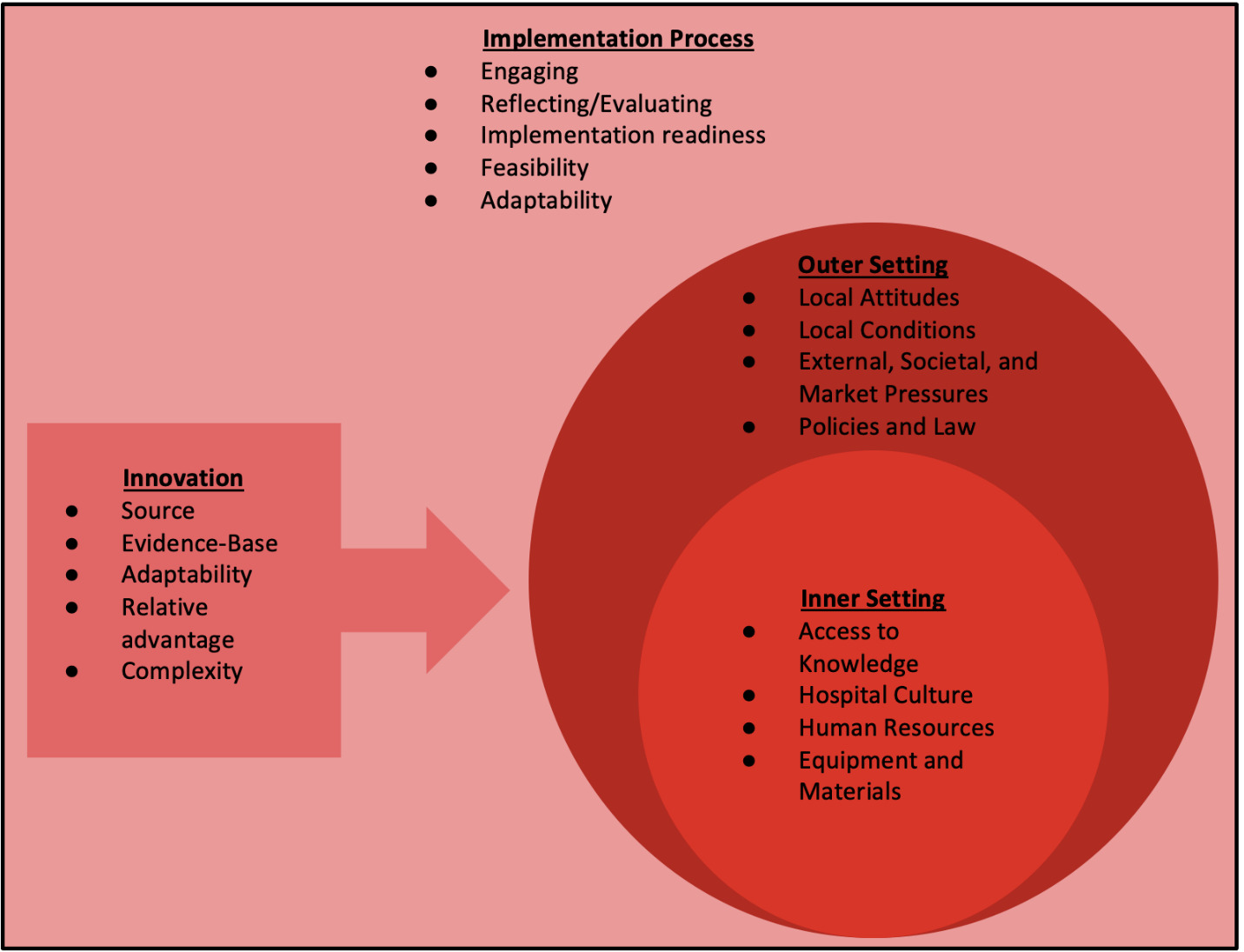
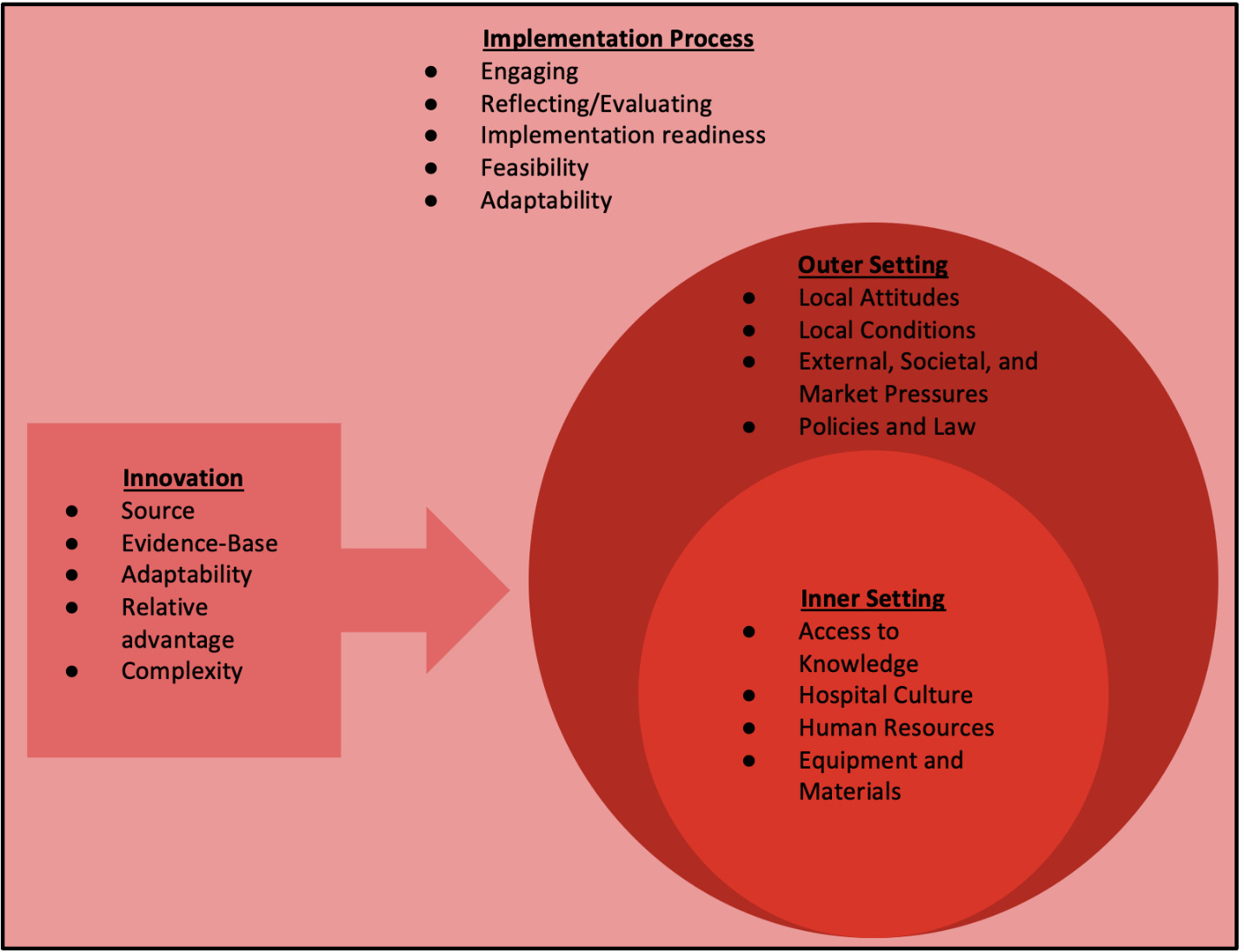
The coding team (E.L., N.P., M.S., and M.J.X.) adapted existing CFIR guidance to develop a streamlined codebook for this setting. The final codebook comprised 23 constructs across 4 domains: innovation, outer setting, inner setting, and implementation process. Construct definitions were adapted to reflect the resource-constrained context, and inclusion and exclusion criteria were specified for each code. A new construct, human resources, was added to the inner setting domain to capture recurring themes related to workforce availability, training, and role distribution, which were not sufficiently addressed by existing CFIR constructs.
To enhance analytic rigor, the first 2 transcripts were coded collaboratively by consensus, allowing iterative refinement of the codebook through addition, revision, or removal of codes. E.L. then refined the preliminary code definitions and corresponding inclusion and exclusion criteria. Next, E.L. and N.P. independently completed first-pass coding, followed by a consensus meeting with the full analysis team to discuss and resolve discrepancies. Construct definitions were further refined and finalized through iterative team review. In alignment with the Consolidated Criteria for Reporting Qualitative Research, coding consensus was established through team discussion rather than formal quantitative intercoder reliability metrics. Dedoose was used to document analytic memos, track code definition refinements, and maintain an audit trail of codebook evolution over time. Additional strategies to enhance trustworthiness included investigator triangulation through involvement of a multidisciplinary analytic team and reflexive discussion among researchers regarding how their backgrounds and perspectives might influence interpretation of the data. Preliminary themes were discussed among the research team and compared across participant groups to ensure consistency and completeness of interpretation.
Ethical Considerations
Ethical approval was obtained from the Tanzanian National Institute for Medical Research (NIMR/HQ/R.8c/Vol.I/3089). Written informed consent was obtained from all participants before participation in interviews or focus group discussions. All procedures performed in this study involving human participants were conducted in accordance with the ethical standards of the institutional and national research committees and with the 1964 Helsinki Declaration and its later amendments or comparable ethical standards. This study was reported in accordance with the Consolidated Criteria for Reporting Qualitative Research guidelines for qualitative research reporting.
RESULTS
Participant Characteristics
Two FGDs were conducted with 18 health care providers, including 10 otolaryngology nurses and 8 otolaryngology physicians. Participants reported between 2 and 10 years of experience caring for patients with tracheostomies. All nurses described their tracheostomy training as informal and primarily hands-on. Additional professionals interviewed through IDIs included speech therapists, social workers, nutritionists, quality improvement officers, and procurement officers. Among the 5 patients interviewed, 3 were male and 2 were female, with a mean age of 54 years. All had been living with a tracheostomy for more than 1 year.
CFIR Framework Constructs
Factors influencing tracheostomy care spanned all CFIR domains, including innovation, outer setting, inner setting, and implementation process, underscoring the multilevel nature of barriers, facilitators, and opportunities for adaptation (Figure 1 and Table 1).
Participants described existing models of tracheostomy care that they considered credible and preferable to current practice, particularly those developed by reputable institutions. One ear, nose, and throat (ENT) specialist described a dedicated weekly tracheostomy clinic that convened all relevant stakeholders, illustrating the perceived value of coordinated, multidisciplinary care. The evidence base for tracheostomy management was recognized as important, although participants emphasized the need for guidelines to be updated and tailored to the Tanzanian context. Adaptability was a recurring theme, with participants recommending locally feasible modifications, such as affordable home tracheostomy supply kits containing essential items for cleaning and routine care. Participants also emphasized the complexity of tracheostomy care, noting that it extends beyond technical management to include transitions across care settings, long-term follow-up, and psychosocial support. During transitions from the intensive care unit to inpatient wards, inconsistent access to supplies and limited psychological support further complicated care. Providers observed that although patients’ medical needs were generally addressed, the psychological burden of living with a tracheostomy, including anxiety about decannulation and loss of voice, was often insufficiently recognized.
Outer setting domain: Tanzania
Participants described several external factors that shaped tracheostomy care delivery. External market pressures contributed to fragile regional supply chains, resulting in inconsistent availability of tracheostomy tubes, suction machines, and related supplies even when patients had the financial means to purchase them. In some instances, clinicians were forced to use suboptimal alternatives, increasing clinical risk. Local conditions included both financial instability and geographic barriers. Many patients were uninsured and relied on out-of-pocket payment for medical expenses, which frequently delayed or interrupted care. Providers reported at times personally fundraising to support patients, although many remained unable to obtain timely services. Geographic distance also posed a substantial barrier, particularly for patients living in rural areas where local clinicians often lacked expertise in managing tracheostomy-related complications. Participants further described the influence of local attitudes, including community stigma and self-stigma, which intensified isolation and diminished quality of life. Caregivers and providers noted that some patients concealed their tracheostomies to avoid discrimination and that fear of tracheostomy care among relatives sometimes resulted in neglect or abandonment. These social responses compounded the emotional and practical burdens already associated with ongoing care.
Inner setting domain: Muhimbili National Hospital
Within MNH, limited resources substantially affected the quality and continuity of tracheostomy care. Human resources was a dominant theme. Staffing shortages restricted the time available for individualized care, patient education, and ongoing staff training. Specialized providers, such as nutritionists, were responsible for large patient volumes across hospital units, limiting their participation in multidisciplinary rounds. Participants also identified a lack of respiratory therapists and specially trained nurses as a major constraint on both tracheostomy management and patient counseling.
Participants also highlighted persistent shortages in materials and equipment. Commonly cited deficits included suction machines, cleaning supplies, and appropriately sized tracheostomy tubes. Providers reported that these shortages sometimes led to improvised care and, in pediatric cases, potentially serious consequences when correct tube sizes were unavailable.
Limited access to knowledge and information was described by both providers and patients. Health care providers expressed a need for more structured training in postoperative and long-term tracheostomy management. Patients and caregivers reported receiving brief verbal discharge instructions without accompanying written or pictorial materials, contributing to uncertainty, anxiety, and inconsistent home care practices. One nurse noted that follow-up communication after discharge was essential to support sustained home-based care.
Finally, participants identified hospital culture and communication as important targets for improvement. Fragmented communication across teams, particularly when patients were admitted outside ENT services, contributed to missed dressing changes, delayed care, and reduced accountability. Participants recommended more structured multidisciplinary rounding and improved coordination across departments to promote continuity, adherence to infection prevention practices, and shared ownership of tracheostomy care. Patients and caregivers similarly described inconsistent communication and limited involvement in decision-making, while emphasizing the importance of clear, compassionate, and consistent updates.
Implementation process domain: activities and processes to support implementation
Participants reported few formal opportunities for reflecting and evaluating tracheostomy care practices. Providers emphasized the need for structured quality indicators, such as readmissions, infection rates, and patient-centered outcomes, to assess implementation success and guide quality improvement efforts. Embedding quality improvement activities into routine clinical practice was viewed as important to sustaining change. Engaging stakeholders early and consistently was also seen as critical for successful implementation. Participants recommended securing buy-in from clinicians, administrators, insurers, and suppliers and identifying local champions who could support the intervention. Some participants suggested that incentives might improve motivation and participation in training or implementation activities, particularly in settings with heavy workloads and limited protected time.
DISCUSSION
This qualitative study provides insight into how the GTC drivers may be adapted for implementation in a resource-constrained health system. Drawing on perspectives from patients, caregivers, and a broad range of health care professionals, the findings highlight multilevel challenges and opportunities across all CFIR domains. In particular, the study identified several factors that are especially salient in LMIC settings, including severe shortages of essential materials and equipment, workforce limitations and turnover, and the profound effects of stigma and social isolation on patients living with a tracheostomy. Taken together, these findings suggest that GTC drivers, although effective in high-income settings, require contextual adaptation to be feasible and sustainable in resource-constrained environments (Figure 2).
This study builds on prior literature describing gaps in tracheostomy care in low-resource settings while extending that work by identifying specific stakeholder-informed priorities for adaptation. A scoping review of tracheostomy care in resource-constrained settings similarly identified limited standardized protocols, inadequate provider training, and inconsistent patient follow-up as major barriers and emphasized the value of multidisciplinary teams, regular staff education, and improved patient counseling.8 A study from Rwanda also underscored the need for simplified discharge education, better access to tracheostomy supplies, and stronger interdisciplinary collaboration to improve outcomes.16 Our findings align with this literature and further identify important local nuances, including specific equipment shortages within both hospital and home settings, the limited availability of subspecialty personnel such as respiratory therapists, and provider enthusiasm for improved multidisciplinary care and training. Although tracheostomy quality improvement initiatives in 20 hospitals in the United Kingdom were associated with improved patient outcomes, those findings also reinforce the importance of adapting implementation strategies to local context rather than directly transferring models developed in high-resource settings.17
The present study offers several practical insights for adapting GTC interventions in resource-constrained health systems. First, successful implementation will require protection of clinician time and attention in the setting of chronic staffing shortages. As prior literature has shown, clinicians in low-resource environments often work under extraordinary service demands, limiting their ability to participate in multidisciplinary care and quality improvement activities.16 In settings where key subspecialists, such as respiratory therapists, are unavailable, task-sharing approaches may be necessary so that responsibilities can be redistributed among available providers in a deliberate and feasible manner.18
Second, educational interventions must be designed with staff turnover and resource limitations in mind. Participants emphasized the need for training formats that are easily accessible to new and rotating staff. Practical strategies may include visible standard operating procedures posted in key clinical areas, recurring in-service training sessions, and train-the-trainer models that build internal capacity and support continuity over time.19,20
Third, adaptation of GTC drivers must account for the realities that patients and caregivers face outside the hospital. Participants described long travel distances, inconsistent access to supplies, communication barriers, and substantial out-of-pocket expenditures, all of which may undermine safe tracheostomy care after discharge.21–23 These findings suggest that implementation efforts should include attention to supply availability at the point of care, as well as patient and caregiver education that is multilingual, pictorial, and accessible regardless of literacy level. Alternative follow-up mechanisms, including mobile phone-based support and in-person peer or caregiver support groups, may also help address social isolation, improve problem-solving, and strengthen continuity of care.
This study has several limitations. Because it was conducted at a single institution, the findings may not fully represent the diversity of other LMIC or resource-constrained settings. Participant responses may also have been influenced by social desirability bias or by power dynamics between interviewers and participants.24,25 In addition, cultural and health system differences may limit transferability to other contexts. Nevertheless, these limitations are common in qualitative inquiry and were mitigated in part through inclusion of multiple stakeholder groups, use of a well-established implementation science framework, and iterative team-based analysis.
This study identifies multilevel opportunities to adapt GTC interventions for future implementation in resource-constrained settings. Further research is needed to operationalize these adaptations, evaluate their feasibility and effectiveness, and determine how best to sustain and disseminate them across LMIC health systems. Addressing these gaps represents an important opportunity to improve tracheostomy care globally.
CONCLUSION
Improving tracheostomy care in resource-constrained settings requires multilevel, context-specific adaptation of evidence-based interventions such as the GTC drivers. Opportunities to adapt the GTC drivers to resource-constrained LMIC settings include protecting time for staff training and quality improvement through scalable models such as train-the-trainer, delivering accessible multilingual and pictorial education for patients and caregivers, and strengthening continuity of care through phone-based or community-supported follow-up.
Acknowledgments
The authors thank the patients, caregivers, and health care professionals at Muhimbili National Hospital who generously shared their experiences and insights. Their perspectives were invaluable in informing this study and identifying opportunities to improve tracheostomy care in resource-constrained settings. The authors also thank Dr. David Roberson for his mentorship, guidance, and feedback during the development of this study. His expertise in global tracheostomy care improvement provided an important perspective on the design and interpretation of this work.
Ethical Reporting Statement
Ethical approval was obtained from the Tanzanian National Institute for Medical Research (NIMR/HQ/R.8c/Vol.I/3089). Written informed consent was obtained from all participants before participation in interviews or focus group discussions. All study procedures involving human participants were conducted in accordance with the ethical standards of the relevant institutional and national research committees and with the 1964 Declaration of Helsinki and its later amendments or comparable ethical standards. This qualitative study was reported in accordance with the Consolidated Criteria for Reporting Qualitative Research (COREQ) guidelines.
Conflicts of Interest
The authors declare that they have no competing interests or conflicts of interest related to this work.
Funding
This study was supported by the Coalition for Implementation Research in Global Oncology. The funding source had no role in the design of the study; collection, analysis, or interpretation of data; writing of the manuscript; or the decision to submit the article for publication.
Authorship and Contributions Statement (CRediT)
All authors meet accepted authorship criteria and approved the final manuscript. N.P. contributed to conceptualization, data curation, formal analysis, investigation, methodology, visualization, and writing of the original draft. E.L. contributed to data curation, formal analysis, methodology, validation, and writing including review and editing. A.N., E.T., B.M., N.D., N.E., S.H., E.M., K.V.L., and L.M.M. contributed to investigation, validation, and writing including review and editing. K.P. contributed to visualization and writing including review and editing. M.S. contributed to conceptualization, investigation, methodology, project administration, data curation, translation of transcripts, formal analysis, and writing including review and editing. M.J.X. contributed to conceptualization, methodology, supervision, formal analysis, and writing including review and editing. All authors contributed to interpretation of the data and approved the final version of the manuscript.
Corresponding Author
Nina Patel, MS, MPhil
Department of Otolaryngology–Head and Neck Surgery
University of California, San Francisco
550 16th Street, Box 3213
San Francisco, CA 94158
Email: nina.patel2@ucsf.edu
Telephone: +1 (480) 295-9147